Posted on Leave a comment

NJIB’s Top Twenty New Jersey Events for June 10 – 12, 2022

It’s June and the weather is hot hot hot. Let’s celebrate with street fairs, music and food truck festivals, carnivals, and more. Let’s leave the house to explore what NJ has to offer (or not, you do you). If you’re looking for something to do… I got you. These are my top 20 picks are for June 10 – 12, 2022.

Due to the ongoing restrictions and safety regulations with Covid-19, please verify these events before attending in case of any last-minute cancellations. And always check the weather!

For more events throughout the year, be sure to check out our Event Guide.

If you’d like to submit your event, click here.

For more New Jersey adventures, follow along on Instagram, @newjerseyisntboring, and Insta Stories! Don’t forget to tag your own NJ fun with #NJisntBoring.

NJIB’s Top Twenty New Jersey Events for June 10 – 12, 2022:

Cape May Restaurant Week
Now – June 12

This eight-day event that takes place every June. Enjoy an appetizer, entree, and dessert at participating restaurants.

Eatontown L.E.A.D. Carnival
Now – June 12

Mark your calendar to attend the L.E.A.D. FEST Carnival to enjoy food, rides, and more at the Monmouth Mall. In addition to fairway rides, there will be entertainment and attractions included in the general admission price of $5. Purchase discounted ride tickets and mega passes in advance online.
Monmouth Mall, 180 NJ-35, Eatontown, NJ
Cost: $5

Paramus L.E.A.D Carnival
Now –June 12

Mark your calendar to attend the L.E.A.D. FEST carnival to enjoy food, rides and more at the Westfield Garden State Plaza, One Garden State Plaza in Paramus, New Jersey. In addition to fairway rides, Scott’s World of Magic will be performing magic tricks at the carnival. Other entertainment and attractions are included in the general admission price of $5. To purchase discounted ride tickets and mega passes in advance visit theleadfest.com.The carnival will benefit the Paramus L.E.A.D. program and other L.E.A.D. initiatives. L.E.A.D. is committed to protecting our youth and communities from the proliferation of drugs, drug-related crimes, cyberbullying, and violence.
Westfield Garden State Plaza, One Garden State Plaza, Paramus, NJ
Cost: $5+

Voorhees Township L.E.A.D. Fest Carnival
Now – June 11

Enjoy food, rides and entertainment at the L.E.A.D. Fest Carnival, an event hosted by Law Enforcement Against Drugs & Violence (L.E.A.D.), in Voorhees Township, New Jersey at the Voorhees Town Center.
2140 Voorhees Town Center Voorhees, NJ
Cost: $5 admission

Annual Feast of St. Anthony
June 9 – 12

This annual festival will feature delicious food, non-stop entertainment, great crowds, music, amusements, games, fun for the whole family. It is also a faith oriented celebration focusing on devotion to St. Anthony. A variety of local dance and karate studios are scheduled to put on performances,
Roman Catholic Church of the Assumption, 113 Chiego Place, Roselle Park, NJ

36th Annual Lebanese Festival
June 10 – 12

This Festival is a great outdoor gathering of families, friends and neighbors for authentic Middle Eastern food, music, dance and culture. Traditional Lebanese foods such as falafel, shawarma (gyro), hummus, shish kabob, spinach pies, tabouhli, stuffed grape leaves and much more will be featured. In addition, there will be a large assortment of Middle Eastern pastries to indulge in. For entertainment, there will be live music featuring a different singer each day. There will also be dancing and folkloric performances along with raffles, prizes, souvenirs and games of chance. Because of the abundance of Middle Eastern cuisine, live music, dancing, and games, the Lebanese Festival is recognized as one of the most outstanding annual events in the community. People from throughout New Jersey, Pennsylvania, and the Tri-State region regularly attend.
St. Sharbel Maronite Catholic Church, 526 Easton Ave. Somerset, NJ
Cost: Free

Bloomfield Food Truck & Music Festival
June 10, 4PM – 10PM

Bloomfield Food Truck & Music Fest will feature 15 quality Food Trucks, Live Music, Beer, Sangria & Margarita Garden, Face Painting, hatchet throwing, petting zoo, Sand Art, Kids Activities, Vendors, a 50/50 and so much more!
St Thomas the Apostle Parking Lot, 50 Byrd Ave, Bloomfield, NJ
Cost: $5, kids under are 5 are free

Colonia Food Truck & Music Fest
June 11, 11AM – 7PM

15 gourmet food trucks, Live Music from County Comfort, Rock Bottom, vendors, beer, margarita & sangria garden, kid activities including pony rides, petting zoo, face painting, sand art, & so much more!
Food! Beer! Music! Fun! It’s a fun-filled family day! AND it’s a Benefit for St John Vianney Parish & School.
Bring your appetite, lawn chairs & Dine on excellent food. Dogs permitted!
St John Vianney Parking Lot in Colonia, NJ
Cost: $5, kids under are 5 are free

Mercer County Cultural Festival & Food Truck Rall
June 11, 11AM – 7PM

The Mercer County Cultural Festival & Food Truck Rally is a one-day festival celebrating the rich cultural diversity that makes up our beautiful county. Promoting diversity appreciation through live artist demonstrations, food trucks, craft vendors, beer garden and live traditional dance groups and bands. We have free inflatables to keep your youngsters busy and much more! The festival is FREE entrance and parking.
Mercer County Park Festival Grounds, 1665-1667 Mercerville-Edinburg Rd. West Windsor, NJ
Cost: Free

Asbury Refresh – Vintage, Oddities & One of a Kind Collectibles
June 11, 10AM – 3PM

REFRESH is a monthly celebration of all things vintage, oddities & one of a kind collectibles. Held on select Saturdays through the year where you can shop from our curated collection of over 50 vendors selling unique items & more.
Kennedy Park, 104 Grand Avenue, Asbury Park, NJ

Westfield Street Fair & Craft Show
June 11, 11AM – 5PM

Artists, Crafters, Vendors, Food, Rides, Live Music & more. Come on down for a day of family fun with original & interesting Arts & Crafts, shopping, kid’s rides and great FOOD!
Downtown Westfield, Westfield, NJ

SoHa Pride Fest
June 11, 12PM – 4PM

SoHa PRIDE Fest hosted by the SoHa Arts Building & Haddon Township in support of HTEI! Come out to the SoHa Arts Building and enjoy a day of art, music, crafts and so much more – all in the name of LOVE! Come out and show your spirit at the SoHa Arts Building. Enjoy a day of art, music, drags queens, local brews, rose all day and so much more – all in the name of LOVE!
1001 White Horse Pike Haddon Twp, NJ

Pet Palooza
June 11, 11AM – 7PM

Time for all of us to Bark in the Park! The Festival, together with Mt. Pleasant Animal Shelter will be working to find forever homes for some amazing dogs and cats! Join between 15+ food vendors, live music, games in addition to the famous doggie agility course, pet fashion show, and more! activities for all ages.
161 Hanover Ave, Morristown, NJ
Cost: $4-$6, kids under 3 are free

Robbinsville Community Festival
June 11, 2PM- 9:30PM (rain date on June 12)

This family event features live music played from the main stage, a beer tent, food court, games, contests, bounce castles, rock-climbing wall, food trucks, a children’s train, and pony rides. The “Best of the Eagles” tribute band will take to the state at 7:00 p.m.
The grand finale wiill be the fireworks display at dusk.
Community Park, West Manor Way and Gordon Road, Robbinsville, NJ

Cherry Hill Mall Food Festival
June 11, 12PM – 6PM

100% proceeds from this event benefit children with autism. Come show your support! Free Food truck festival at the Cherry Hill Mall, Route 38 side of the mall across from the Apple store. Drive in with your family and friends, park your car, purchase your food, enjoy the music, Face painting, carnival games, and photo booth, and hang out. Bring your chairs and tailgate by your vehicle while listening to music and enjoying a wonderful selection of foods from around the globe.
Cherry Hill Mall Dr, Cherry Hill, NJ
Cost: Free

Sip into Summer Wine Festival
June 11 & 12, 12PM – 5PM

Summer sippin’ never tasted so good! Come kick off the start of summer at the Sip into Summer Wine Festival happening in Mullica Hill. Spend the day sipping and purchasing some of NJ’s best wines made right here in the Garden State. Wineries will be pouring everything from their seasonal best like light, refreshing white wines to bold, fruity sangria along with all of the traditional favorites.
Gloucester County 4H Fairgrounds, Mullica Hill, NJ
Cost: $20 Advance, $25 at the Gate (cash only). $5 non-drinker. 21 and under free

Paramus Food Truck Festival
June 12, 11AM – 7PM

Food! Beer! Music! Fun! It’s a fun filled family day! 20 Gourmet Food Trucks, pony rides, petting zoo, inflatables, knockerball, hatchet throwing, face painting, sand art, vendors & a beer, sangria & margarita garden music & more!. Bring your appetite, lawn chairs, pups, friends, family, and blankets.
Paramus Park Mall, Paramus, NJ
Cost: $5, kids under are 5 are free

Jewish Culture Festival
June 12, 10AM – 4PM

Celebrate Jewish culture with live music, dancing, food, games, vendors and more. This is an event for the entire family.
• Enjoy Jewish Music and Dance
• Play Children’s Games
• Create in the Kids Craft Station
• Shop for Crafts and Arts at our many Vendors
• Feast on Jewish Foods
• Drink in the Kosher Beer and Wine Garden
• Explore the culture of Judaism
2101 New Albany Road, Cinnaminson, NJ

Montvale Street Fair
June 12, 10AM – 5PM

The Montvale Chamber of Commerce is holding its 11th Annual Street Fair, one of the season’s most popular events. Over 150 quality exhibitors, a special arts & crafts section, a kid’s area, community section, 2 food courts and continuous live entertainment all day.
1 Paragon Drive, Montvale, NJ

Wildwoods Restaurant Week
June 12 – 16

Wildwoods Restaurant Week is back! Enjoy a 4 course dinner for $40 per person plus tax & gratuity at participating restaurants. A second Restaurant Week will take place in September
Downtown Wildwood Wildwood, NJ
Source link

Posted on Leave a comment

Resources: CARES Act and SBA Info

CARES Act Will Help Craft Distillers As States Loosen Regulations

In late March, the House passed the CARES Act Covid-19 Economic Relief Package, which had already passed the Senate, and President Trump signed the bill into law. The law is a $2 trillion stimulus/economic relief package that includes extensive small business assistance that could prove a lifeline for craft distillers across the country. Like restaurants, craft distillers have been hit particularly hard by the coronavirus shutdown, especially distilleries that rely primarily on their tasting rooms and local on-premise revenue.

Chris Swonger, president and CEO of the Distilled Spirits Council of the United States, issued the following statement on the passage of the law: “This law represents a critical lifeline for distillers across the country, who are in desperate need of economic relief after shutting down their tasting rooms, ending distillery tours, and experiencing significant sales declines from restaurant and bar closures. In the days, weeks and months ahead, we will be working closely with leaders in Congress and the administration to ensure they fully understand the financial hardships faced by distillers and the need for additional economic relief measures. We must move quickly to get America’s distilleries thriving again. The distilled spirits sector, which employs 1.6 million people nationwide and generates $180 billion in economic activity, is an integral part of the nation’s hospitality, tourism and restaurant industries.”

In addition, a number of states, including California and New York, have loosened restrictions on distillery sales, often by allowing curbside pickup or delivery of spirits directly to consumers’ doors. Although the changes are intended to be temporary for the duration of the crisis, the spirits industry has actively pushed for many of these modernizations for years.

SBA Disaster Loan Information and Resources

Small business owners in all U.S. states and territories are currently eligible to apply for a number of loans and other programs from the Small Business Administration (SBA) due to coronavirus. These resources include:

General SBA Disaster Loans

The SBA is offering low-interest disaster loans in all U.S. states and territories due to the coronavirus criss. These include express bridge loans and other resources. Read more for general details.

Paycheck Protection Program

The Paycheck Protection Program is a loan designed to provide a direct incentive for small businesses to keep their workers on the payroll. You do not need an existing SBA loan to apply. These loans will be forgiven if all employees are kept on the payroll for eight weeks and the money is used for payroll, rent, mortgage interest, or utilities. Read more for full details.

Economic Injury Disaster Loan

The CARES Act includes the opportunity to get up to a $10,000 Advance on an Economic Injury Disaster Loan (EIDL). This Advance may be available even if your EIDL application was declined or is still pending, and will be forgiven. If you wish to apply for the Advance on your EIDL, visit SBA.gov/Disaster to fill out a new, streamlined application. In order to qualify for the Advance, you need to submit this new application even if you previously submitted an EIDL application. Applying for the Advance will not impact the status or slow your existing application.

Other Resources:

CARES Act: Understand Your Options

Full List of SBA Resources for COVID-19 Relief

U.S. Chamber of Commerce Guide to Federal Coronavirus Small Business Aid

Northern California SBDC – Webinars On Disaster Aid, Crisis Cash Flow, and More

TTB Postpones Tax Payment and Filing Due Dates Due to COVID-19

Due to the COVID-19 crisis and the impact it is having on beverage alcohol producers, the TTB has postponed a number of tax and other deadlines that originally fell after March 1 and through July 1, 2020. These include, among others:

  • Excise tax due dates for distilled spirits
  • Filing due dates for excise tax returns
  • Filing due dates for operational reports and export documentation
  • Filing due dates for credit or refund requests

TTB will also consider other emergency variations from regulatory requirements on a case-by-case basis. See here for full details.

Source link

Posted on Leave a comment

Some in Whiskey Country Don’t Want More Whiskey in the Country

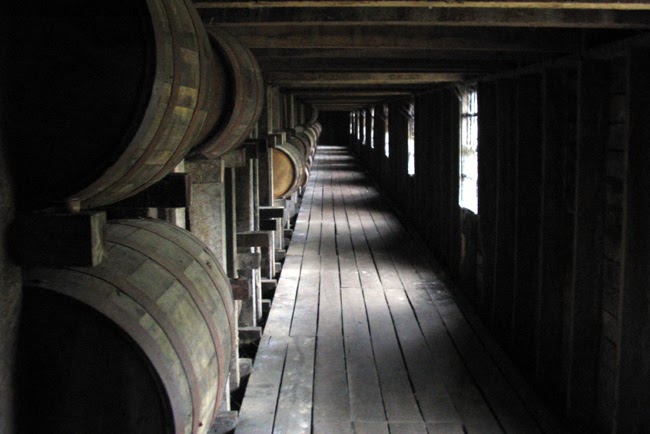
A maturation warehouse at Barton 1792 Distillery, Nelson County, Kentucky.

“Bitter bourbon battle pits Buffalo Trace against Franklin County residents over new warehouse,” screams the headline in today’s Herald-Leader, which typically has the state’s best bourbon industry coverage.

The news business is brutal right now so I won’t fault the sensationalized headline. These ‘bitter bourbon battles’ have become commonplace in the last 20 years. Kentucky’s signature industry is doing quite well right now, in case you haven’t noticed. More people buying more Kentucky whiskey means Kentucky whiskey-makers must make more whiskey, in Kentucky. Because of American whiskey’s marvelous, unavoidable aging process, increasing sales means more maturation warehouses must be built and filled.

I apologize if this seems too elementary.

Because a maturation warehouse, being mostly wood and high-proof alcohol, is kind of flammable, you don’t want them too close to people. The industry’s safety record is very good, but still.

In addition to fire risk, neighbors worry about Baudoinia compniacensis, the ‘whiskey fungus’ that is a harmless nuisance but easy to scare people with. The scare-mongers will call it ‘little studied’ or ‘mysterious’ even though it was identified and described about 150 years ago. It was first analyzed by a pharmacist in Cognac named Baudoin, hence the name. It has been observed everywhere distilled spirits are aged in wood all over the world.

Yes, it’s weird? It seems to appear and grow only where there is a sufficient concentration of ethanol vapor in the atmosphere. Yes, it’s unexpected. Why is there suddenly black mold growing on my garage? Yes, it’s ugly. Yes, it washes off, but it grows back.

It is also true that many, many people-millions-have lived their whole lives around it and never gotten sick. There is literally zero evidence, after 150 years, that it poses any kind of health risk to anyone or anything.

Since Baudoin, interest in studying it comes and goes. Every so often there is a new study, which benefits from the latest technology. There isn’t more research because Baudoinia isn’t very interesting. It doesn’t do anything except make surfaces where it grows look dirty.

Believe it or not, whiskey companies want to be good neighbors. They don’t want any trouble if they can avoid it. The only practical way to contain the fungus, so it doesn’t dirty-up people’s garage doors, is to build new maturation facilities on large parcels of land, typically 300 acres or more. Provide that kind of buffer around the warehouses and little if any of the fungus will make it past the perimeter. Building these facilities on large tracts in rural areas is the solution, not the problem.

The maturation facility itself takes only a tiny fraction of the parcel out of agricultural production. It can continue to be cropland or pasturage or even woodland.

Traffic is the other typical ‘concern’ expressed by members of the affected community. Bear in mind, the whole idea of a maturation facility is that once a barrel is in the racks, it doesn’t budge until it is time to put it in a bottle, four to ten years later. That simple fact means the number of barrels going in or coming out of the facility on any given day will be very small. A distillery, especially a distillery with a visitor center, then you’re talking traffic. A maturation facility? Very little impact on traffic.

Most of these objections are the normal ‘not-in-my-backyard’ reaction businesses and governments face with just every development or re-development proposal, and that is not entirely a bad thing. People should see how the sausage is made. That should encourage them to learn more about sausage-making and maybe even make some sausage themselves. In a healthy democracy, the more the merrier.

You would think that with as long as Kentucky has been aging whiskey, about 150 years, they would have worked out some of these land use issues, ideally with a statewide standard. As recently as 2016 the next county over, Woodford, was arguing about whether or not whiskey maturation warehouses are an ‘agricultural use.’

The Herald-Leader story is well-reported. It shows that the opponents are mostly using procedural and legalistic tactics to delay approval, or perhaps to encourage the developer to go elsewhere where there will be less trouble, except there is no such place.

Source link

Posted on Leave a comment

Win a Brazilian Adventure in the Novo Fogo Eco-Friendly Cocktail Challenge!

Win an adventure to Brazil with Novo Fogo Cachaça!

Bartenders who’d like to participate please enter your uniquely sustainable cocktail HERE.

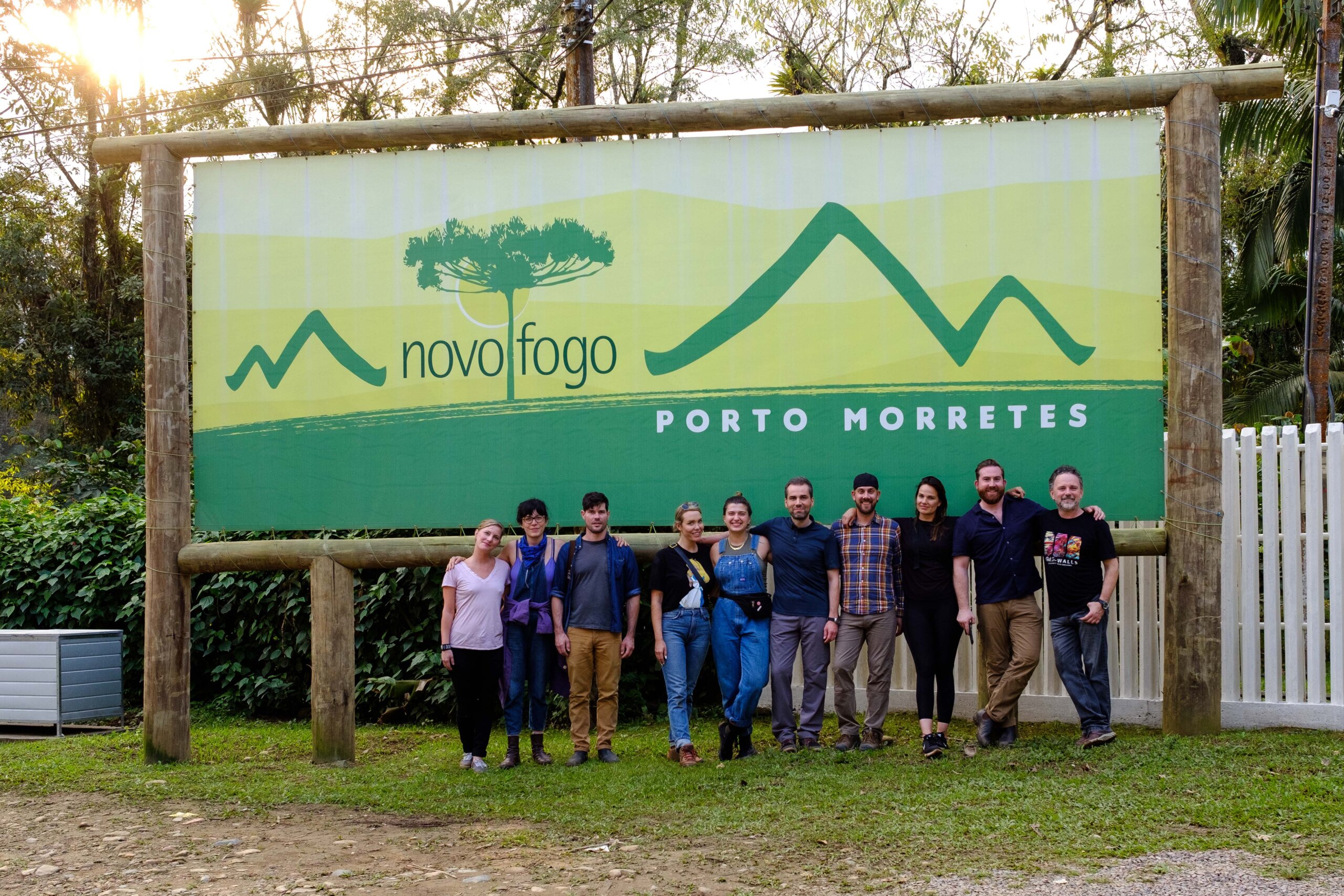
This will be a distillery trip unlike any other. You’ll spend a couple of days at Novo Fogo’s organic sugarcane farm and zero-waste distillery in Morretes, Brazil, learning the process of handcrafting cachaça from the cane fields to fermentation through distillation and barrel-aging. In the cool adegas (rickhouses) beneath the distillery building, you’ll taste cachaça straight from the barrel!

In addition to the cachaça experience, you’ll be fully immersed in the wonders of Brazil’s Atlantic Rainforest. We’ll traverse the jungle canopy at Ekôa Park eco-reserve and visit offshore mangrove forests by boat. Keep your eyes peeled for a flock of visiting scarlet ibis birds!

You’ll taste the food and drink of southern Brazil, including visits to micro-breweries, a defunct train tunnel filled with bottle-conditioning Brazilian sparkling wine, and many gourds of erva-mate tea to keep you energized.

After experiencing life in our jungle town, we’ll return to the capital city of Curitiba to soak up the cocktail bar scene and visit the Oscar Niemeyer museum or the world-renowned botanical garden, among other sights in this vibrant city.

Vamos! This is a trip you’ll remember for a lifetime.

Bartenders who’d like to participate please enter your uniquely sustainable cocktail HERE.

Source link

Posted on Leave a comment

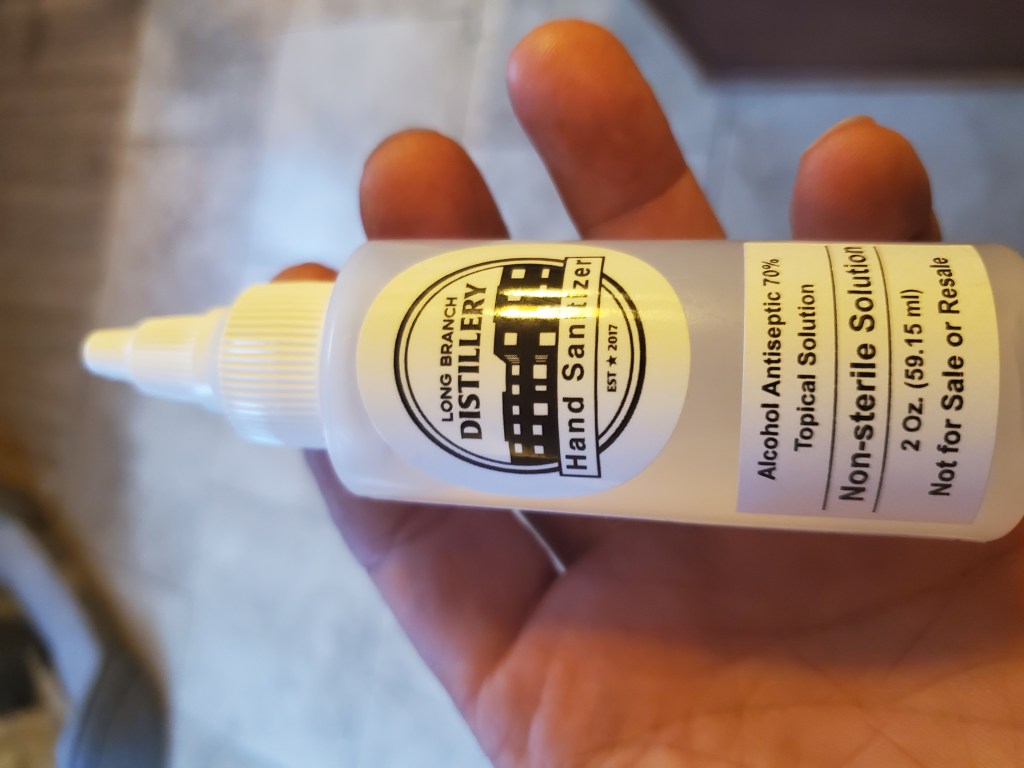
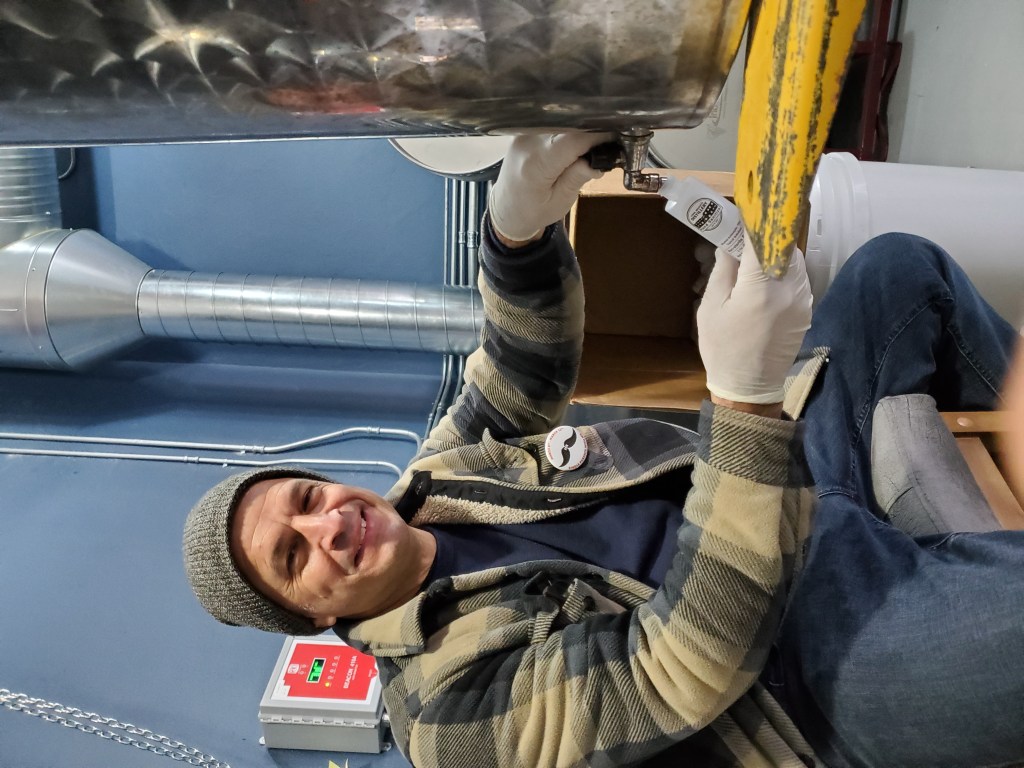
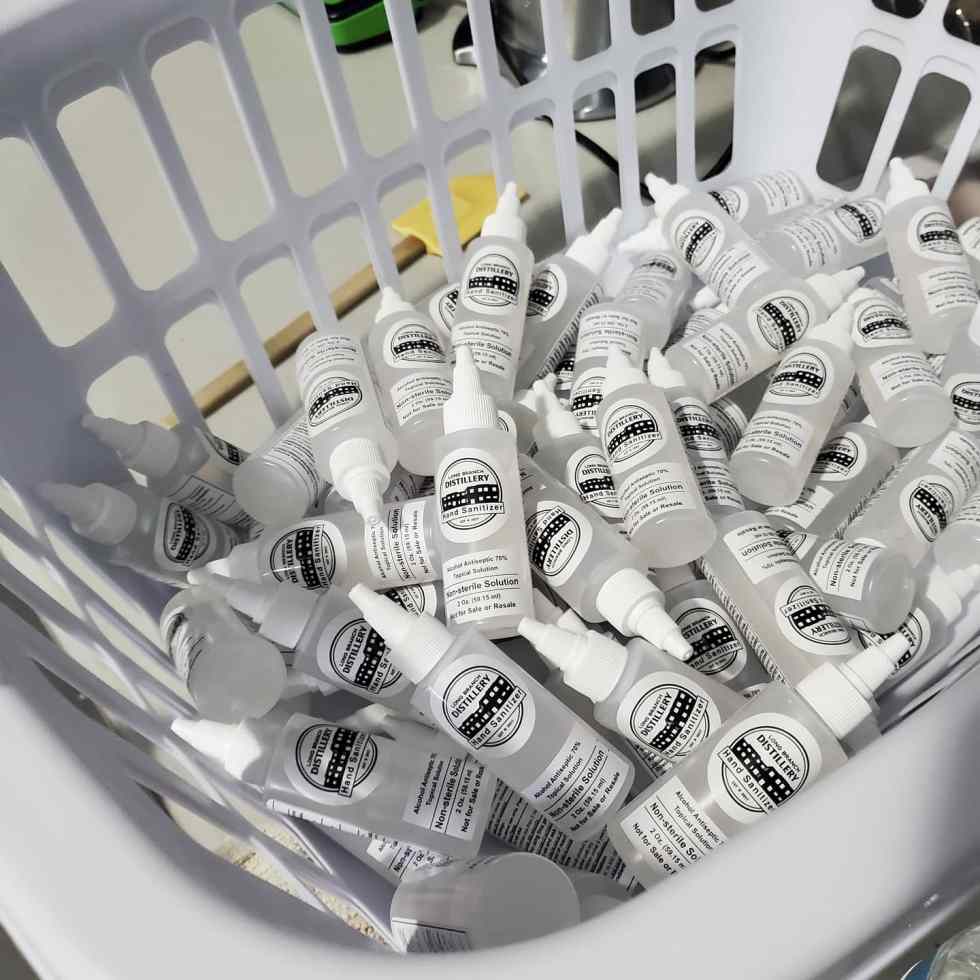
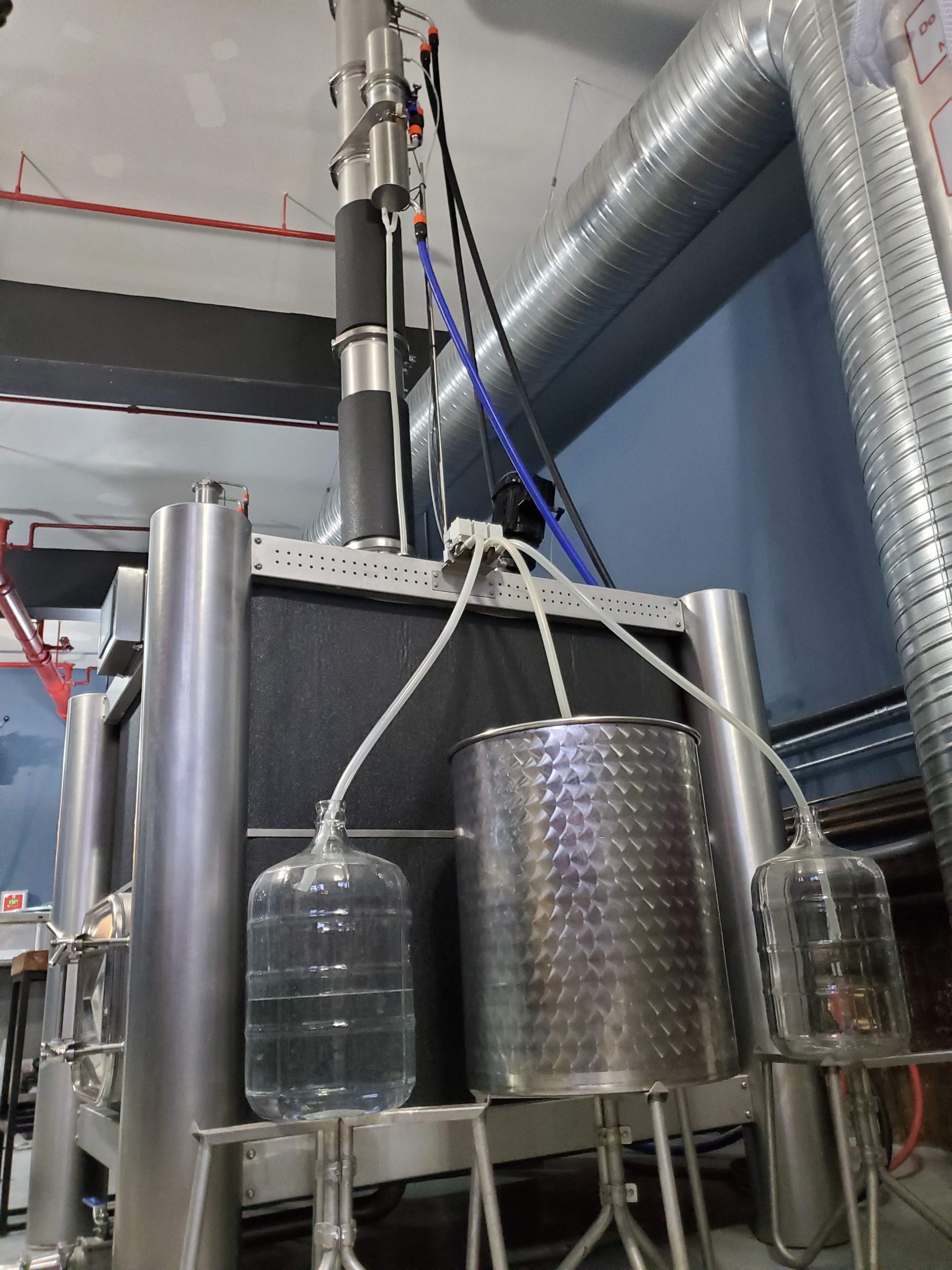
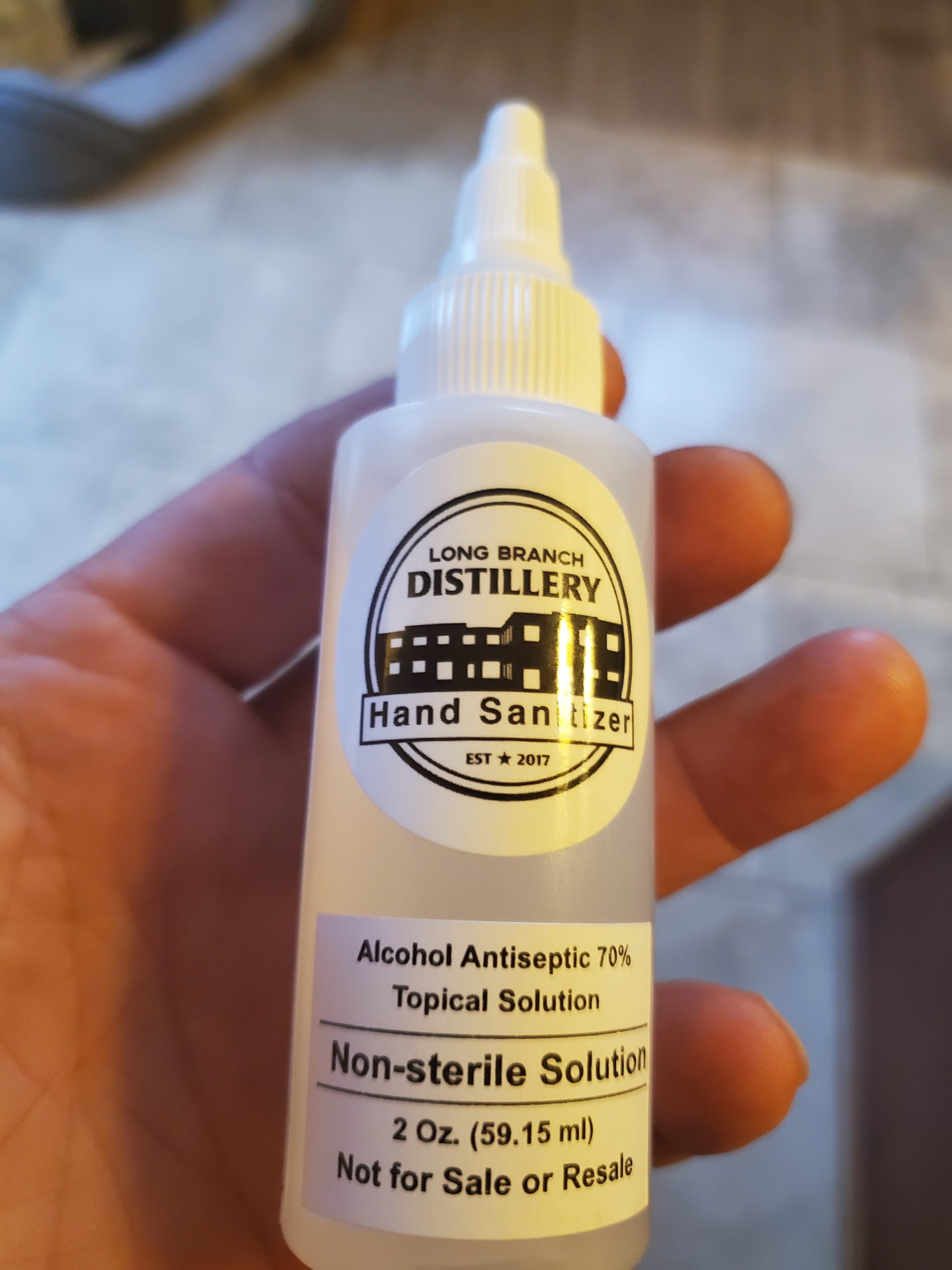
NJ Distillery makes hand sanitizer

Long Branch Distillery Hand Sanitizer

I know, crazy right?! If you asked me just one month ago, I would have looked at you cross-eyed…but when life gives you lemons, make limoncello, or in this case, hand sanitizer. Governor Murphy required all non-essential businesses to close by Executive Order 104 on March 16th, 2020, but liquor license holders (distilleries included) were deemed essential and allowed to remain open. For distilleries, the Executive Order was bittersweet because the majority of our sales are derived from on-site bottle sales and our tasting room - which had to be closed to the public. So while we were still allowed to remain open, we could only offer bottle sales for curbside pickup at our distillery through a website we created at https://lbdistillery.square.site.

As it turns out, ethanol (ethyl alcohol - what we distill to make our spirits) is a key ingredient in hand sanitizer. We had a good amount of ethanol in stock from a a recent distillation. When we learned there was a shortage of hand sanitizer that many of our first responders needed out in the field, it was time to get to work. Little did we know that many distillers around the country were doing the same and there was a mad rush to get other ingredients and supplies to make hand sanitizer, namely…bottles. That’s right, as it turns out, because of the alcohol content of hand sanitizer (70-80%) you are required to use a specific type of plastic bottle (LDPE or HDPE) so the alcohol doesn’t deteriorate the plastic.

We spent countless hours online and on the phone to track down the necessary supplies, but persist we did. With the help of John Koutouzakis, our manager at Long Branch Distillery and owner Mark Elia, we are blessed to have been able to supply over 2,000 bottles of hand sanitizer to our local community and beyond. The gratitude we have received from our local first responders, hospital workers, postal workers, public works department, grocery store clerks, State police and many, many others has been overwhelming. As of this writing, we’ve received over 2,000 likes on a Facebook post we published about our efforts. The amount of joy and satisfaction we have gained from providing a simple thing like hand sanitizer to help out those in need in a time of crisis has given us a purpose. We couldn’t be any prouder of those who are putting their own health at risk to protect all of us during this crisis.

Thank you to all of you and God Bless you!

Posted on Leave a comment

Step 3 - Performing the first distillation or “Stripping Run”

Long Branch Distillery Stripping Run

After fermentation is complete, we are left with a soupy, grainy solution that now contains alcohol anywhere from 8-10%, due to the yeast doing its job. This solution, or ‘distillers beer’, also referred to as a wash (when the grains are removed by straining them) is technically referred to as low wines (although we’re not sure where that came from). We choose to distill on the grains - we don’t remove them - because we feel it helps create a deeper flavor profile.

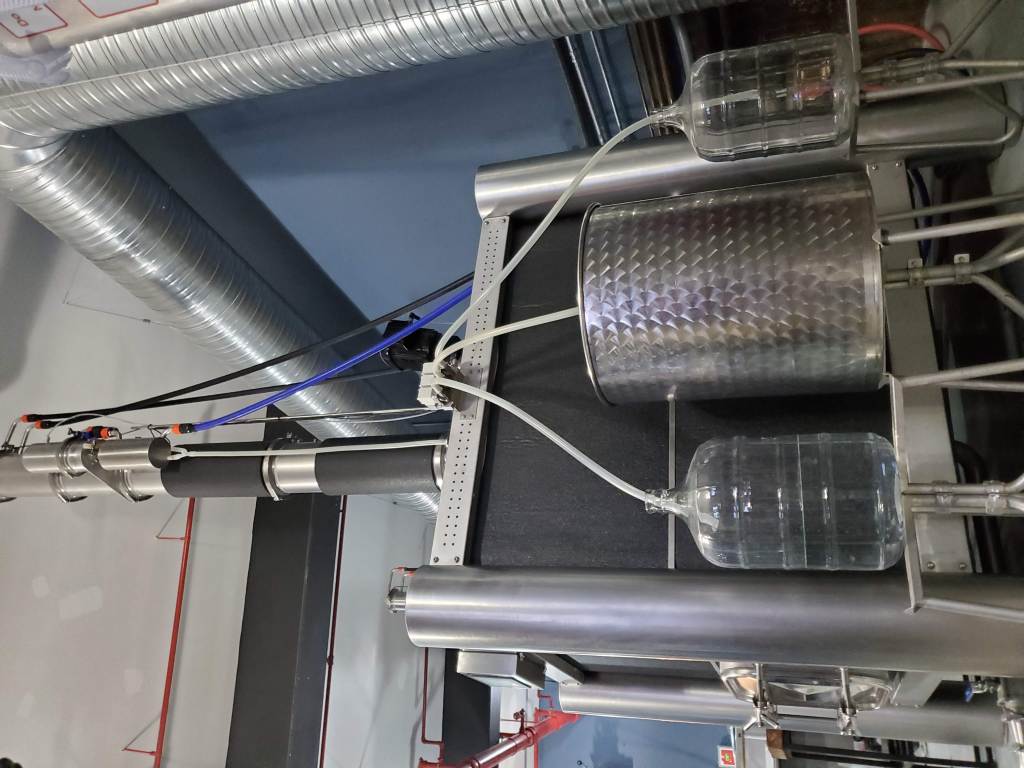
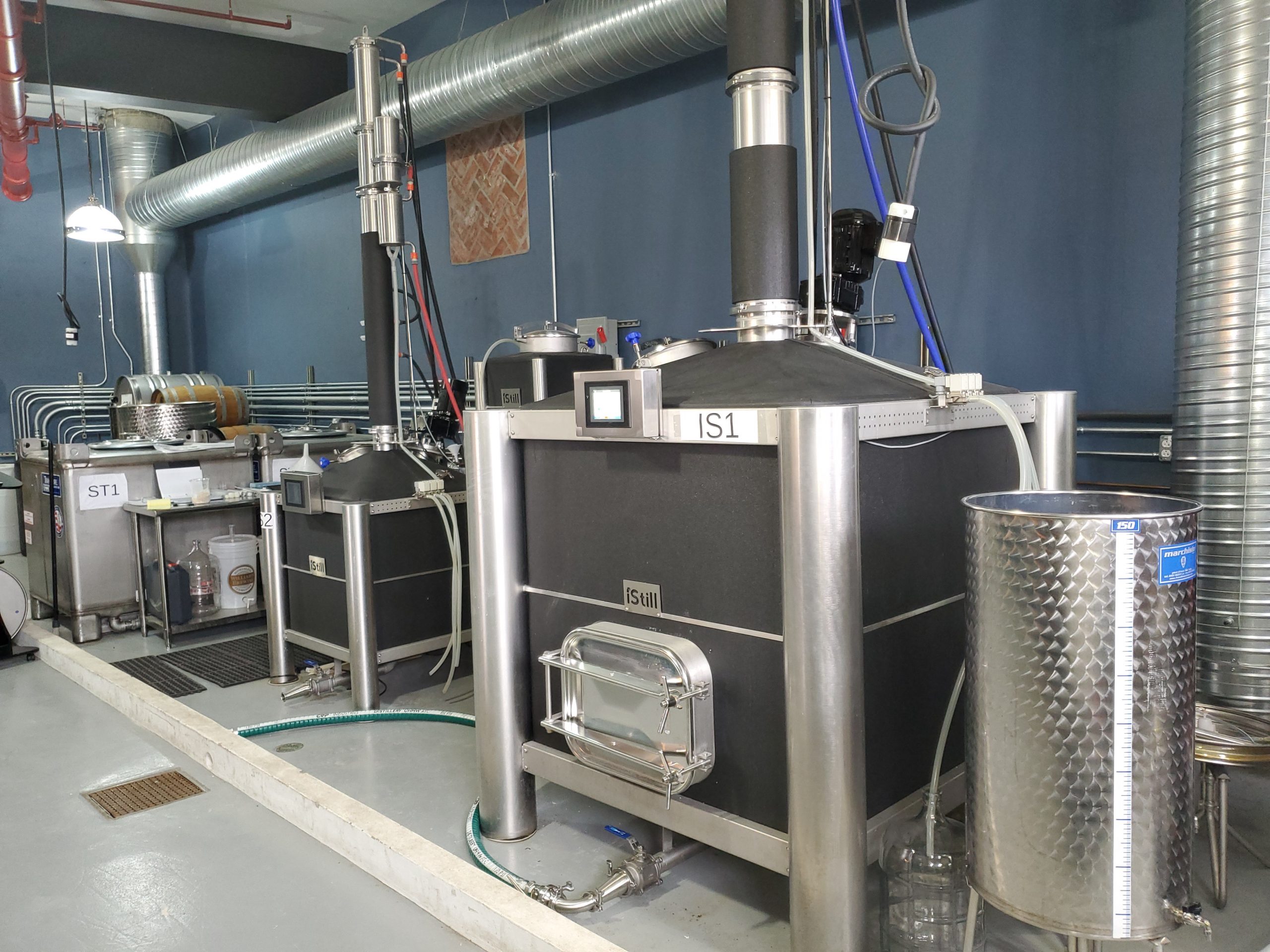
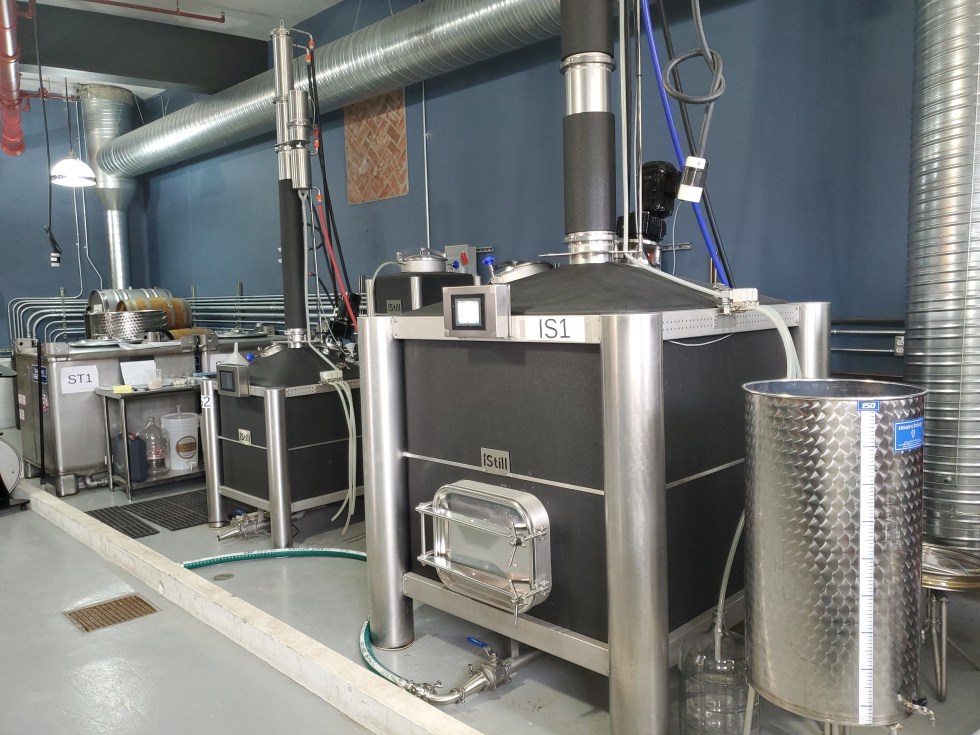
When we perform our first distillation - called a ‘Run’ - it is referred to as a stripping run, because we concentrate and strip all of the alcohol out of the wash. Different alcohols come over at different temperatures and in this run, we want to collect them all - the good, the bad and the ugly. We do this by heating up the wash between 75 and 94 celsius to concentrate and collect all the alcohol - the photo below shows 3 hoses from each of our collection valves, but we could put all of the hoses into one tank because we’re not concerned about separating alcohol in this run. In our next post you’ll see why we use the glass jars (carboys). With our iStills, the stripping run can take anywhere from 12-14 hours and produces alcohol in the range of 50-55% Alcohol By Volume (ABV), depending on the spirit we are distilling.

That’s all for now, in our next post we’ll discuss performing a ‘Finishing Run’, where we separate the alcohols collected in the Stripping Run into ‘Heads’, ‘Hearts’ and ‘Tails’.

Posted on Leave a comment

Step 2 - Fermentation before distillation

Wheat vodka ferment

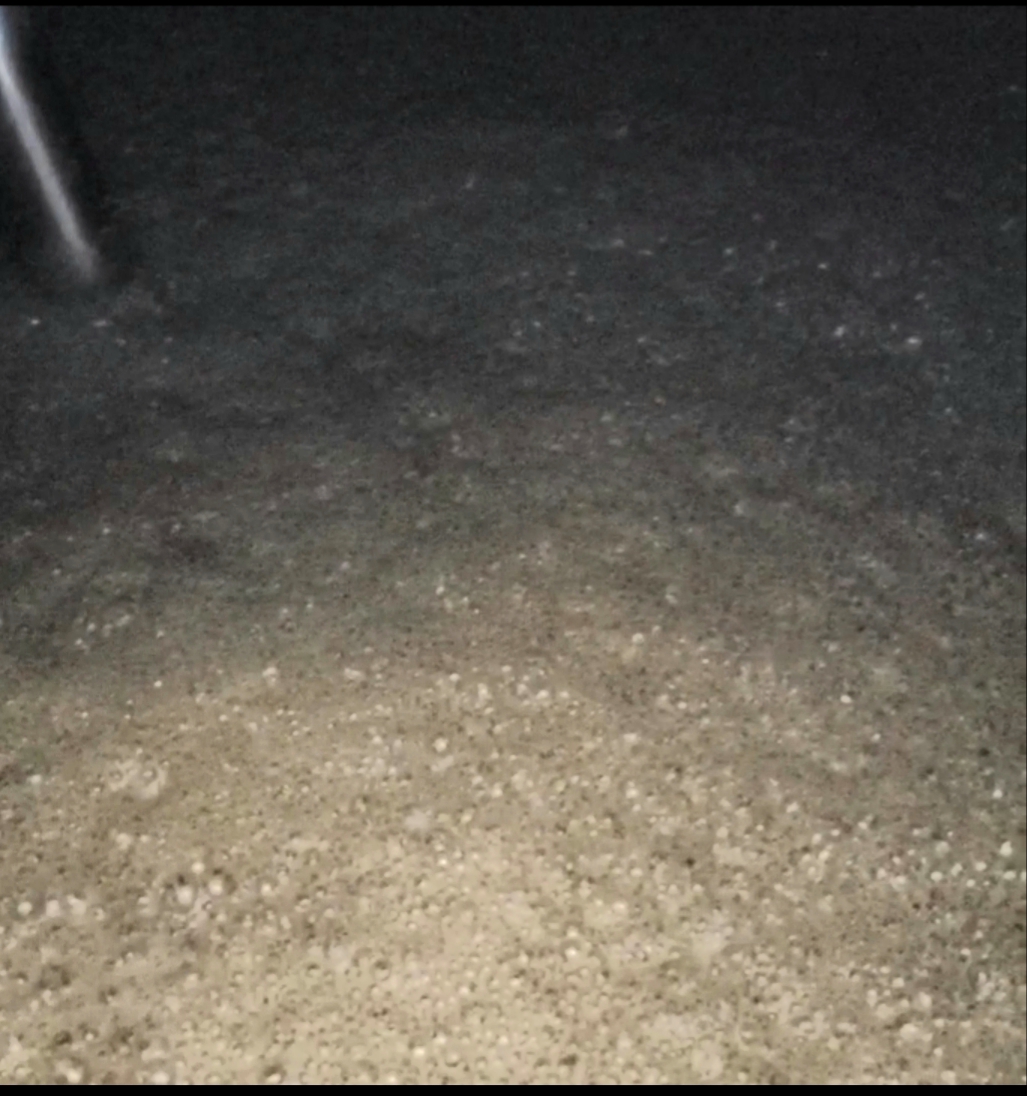
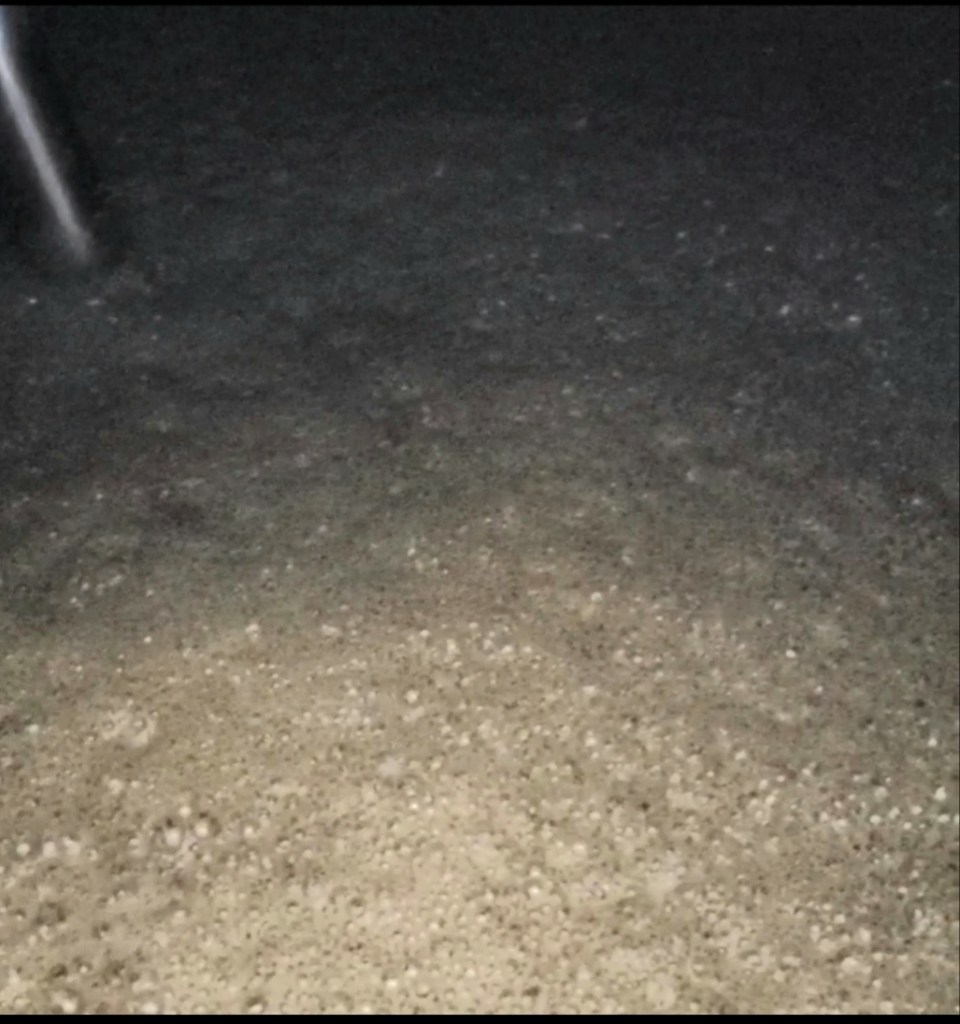
After our mash process has completed (about 4 hours), we cool it down to a temperature of ~ 25 celsius (77 Fahrenheit) in preparation for fermentation. Fermentation is the chemical breakdown of a substance by bacteria, yeasts, or other microorganisms, typically involving effervescence and the giving off of heat. In our case, we use yeast, a micro-organism that feeds on sugar in our mash and turns it into ethyl alcohol and CO2. There are many ways to add yeast to the mash (often debated among distillers) - we just sprinkle it on top and let it do its thing.

Fermentation is arguably the most crucial step in distillation because it is where the chemical process of esterification occurs and flavor molecules or ‘esters’ are created. Most of the taste (and all of the alcohol) is made during fermentation, not during distillation. There are many other factors too lengthy to discuss here that impact fermentation (yeast strains, temperature, pH, water quality/temperature), but rest assured, a bad fermentation will result in a bad spirit - especially when making taste rich spirits such as a single-malt whiskey.

When fermentation is complete, we end up with liquid referred to as ‘wash’, sometimes called a ‘bad beer’, at ~ 7-8% alcohol. The wash is what we charge our still with and begin the next step in our process…

Distillation!

Posted on Leave a comment

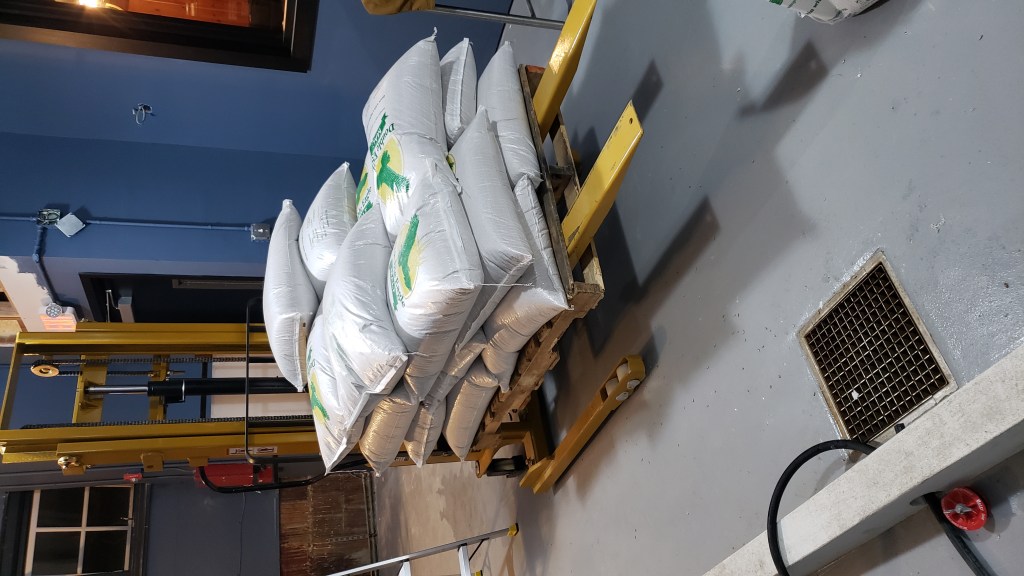
Step 1 - Mashing Wheat to make our vodka

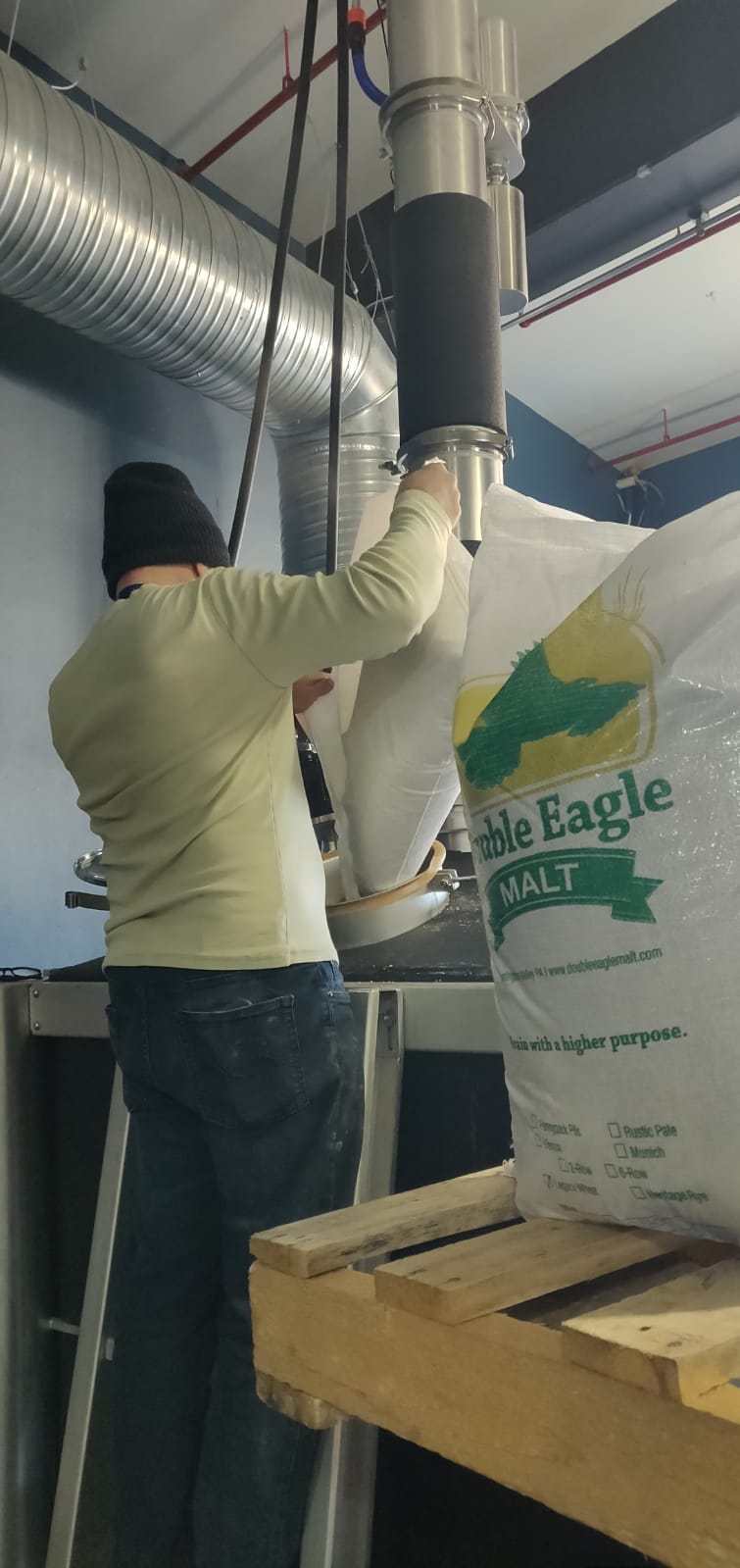
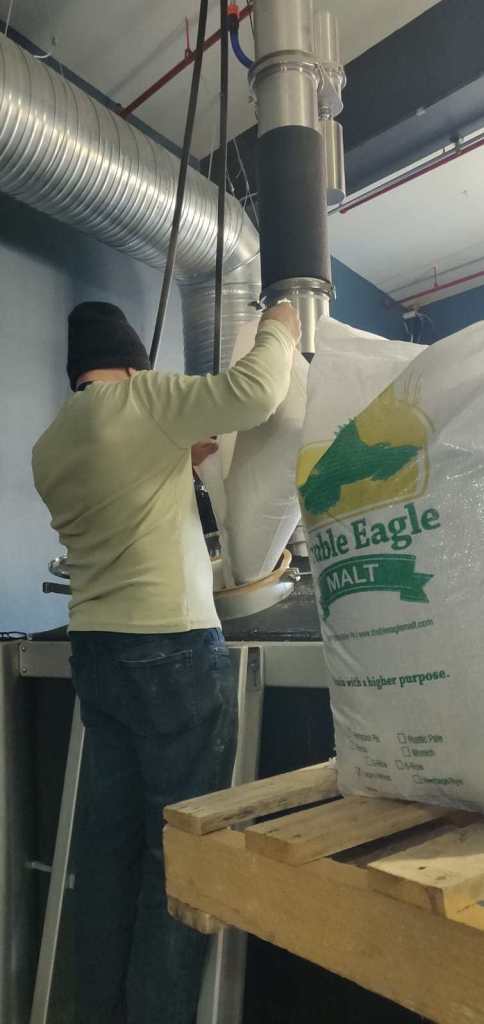
Picture of a man adding malt in machinery

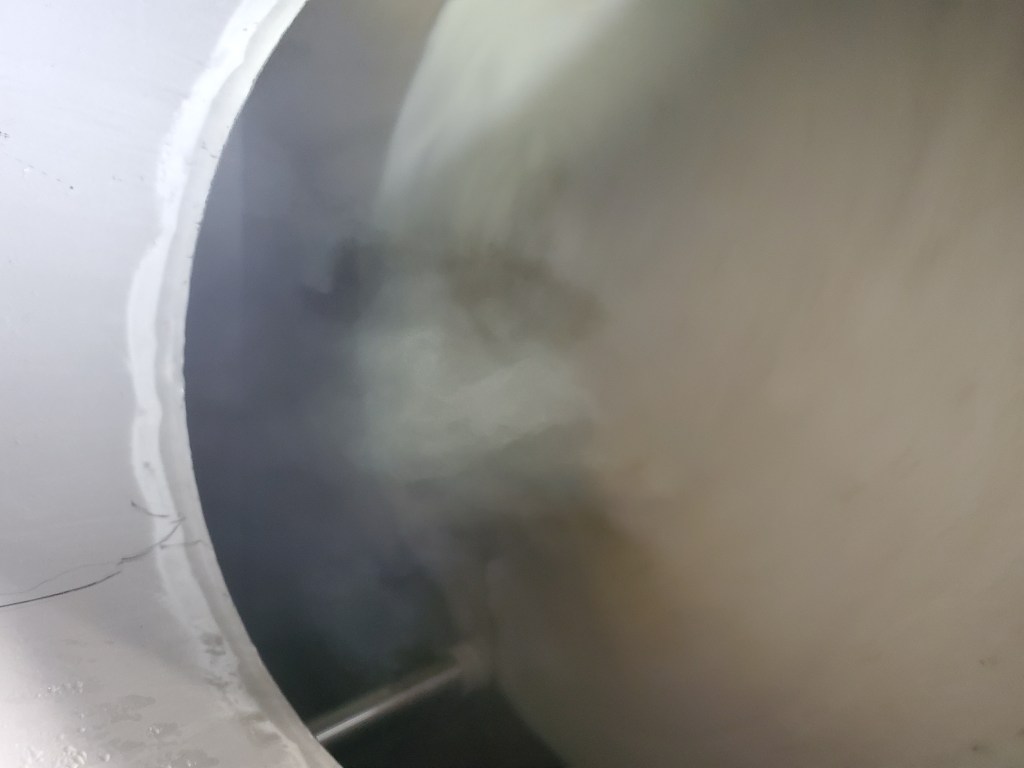
The term mash comes from Old English mæscan, meaning ‘to mix with hot water’. It’s the first step in the process of combining a fermentable substrate (in this case malted wheat) with hot water. Mashing is the process of combining a mix of grains– typically malted barley with supplementary grains, such as corn, rye, or wheat – known as the ‘mash bill’. In this case, our mash bill only contains malted wheat. The piece of equipment many use to perform this process is called a mashtun…we use our iStill 🙂 Check how we make our vodka.

Distillers can use a variety of raw materials such as barley, rye, corn, potatoes, rice, fruits, etc. to make a mash, depending on the spirit being distilled. What we’re actually doing is mixing milled grains and water with an agitator - not mashing - so the enzymes in the malted wheat break down the starch in the grain into sugars. By doing so, we are preparing the “mash” for the next step, which is fermentation. With our wheat, because it has been malted, we are relying on that to provide the necessary enzymes crucial to the conversion process. Many distillers need to add additional enzymes to their mash so the necessary sugars can be fermented and converted to alcohol.

Next up….fermentation

Posted on Leave a comment

Why did our New Jersey Distillery choose to make Craft Spirits with iStill?

Long Branch distillery istill
Long-Branch-distillery-istill

When I started researching stills for our distillery in 2016 I spent countless hours reading about stills on and offline. One day I came across a post on the American Distillers Institute (ADI) forum where someone had asked “What ever happened to iStill?” Intrigued by the name, I read through the entire thread and learned that the founder and CEO Odin van Eijk had been working tirelessly on redesigning his stills and releasing several new products in the coming months. I attended two intensive 4-day training classes in Utah and Colorado and learned more about distilling with iStills. And we are now the proud owners of an iStill 2000 and iStill 500 (for mashing, fermenting and distilling), an iStill mini (for product development) and an iStill extractor (for extracting flavors from fruit such as lemons during distillation to make Limoncello). Below are FAQs for inquiring minds that helped us make our decision to distill our craft spirits with iStill.

Is the iStill a potstill or a column still?

Both. The iStill offers new technology that allows one and the same unit to do both pot and column runs.

Why is the iStill made out of stainless steel?

Stainless steel is chemically inert. This makes both running and cleaning the iStill very easy, without the risk of contaminating our spirits.

But isn’t copper good for flavorful spirits?

No. Copper’s only benefit is that it catalyzes sulfuric compounds that may have developed due to improper fermentation protocols. With proper fermentation protocols and control no copper is needed. Copper doesn’t add flavor, it may take bad ones away.

So, there isn’t any copper in the iStill?

Yes, there is copper in the still. To help us control sulfur, the iStill comes with a copper waffle and copper reflux capacitor. Together they offer as much copper contact as a traditional copper column.

If the stills are made out of stainless steel, how come they look – for the most part – black?

Our iStills have insulated boilers and columns. The black insulation saves 15 to 20% in energy.

Why is the boiler square? All other stills have round boilers …

The boilers of all iStills are flush square, because this results in better mixing. The wash cannot rotate with the agitator, as it does in a round boiler.

So where do you connect the pipes from the steam boiler?

We don’t. iStills do not need separate steam boilers because an integrated heating system is included.

I don’t see trays or bubble caps. How does the column work?

The column is packed with Helicon Column Packing (HCP). When liquids are returned to the column, the HCP fills up and more distillation cycles take place. Without liquid return the column functions as a potstill.

How do you manage those liquids and the number of distillation cycles?

On our production units, this is managed automatically, via the computer, the automation, and the robotization. We dial in what we want and the iStill takes care of the rest.

Automation? Doesn’t that take the “craft” out of distilling?

No. We still create our recipes and decide what flavors we make, concentrate, and harvest. The automation just makes it more efficient and reproducible, while limiting our hours behind the still.

But other distillers say you need a manual, copper still … because it is … traditional?

Sure, and so were horses and carriages 100 years ago. And some still enjoy riding them on weekends, when the sun shines. For actual day-to-day transportation, though, everybody has moved on to cars and bikes.

Now that I look at the iStill a bit closer … where is the dephlagmator?

We do not manage the iStill via cooling water. There are just too many variables to cope with, which results in poor control and different results on every run. Instead, we have a robotized valve manage liquids. Much more precise!

But how about longevity? Modern-day technology is a nice addition, I get that, but does it last?

Good question! First, do you remember how stainless steel is chemically inert? It does not rust, corrode, and oxidize away like copper does. Secondly, it is built to double specifications, meaning the size, strength, and thickness parts need to be are calculated and then doubled.

Can the iStill only make certain spirits?

No. The iStill can distill any spirit. We don’t need upgrade kits, other columns, new and different iStills for various products. We can do the whole spirit production process in one machine. It has an agitator, boiler radiator, and indirect heaters that allow us to mash, ferment and distill in the iStill.